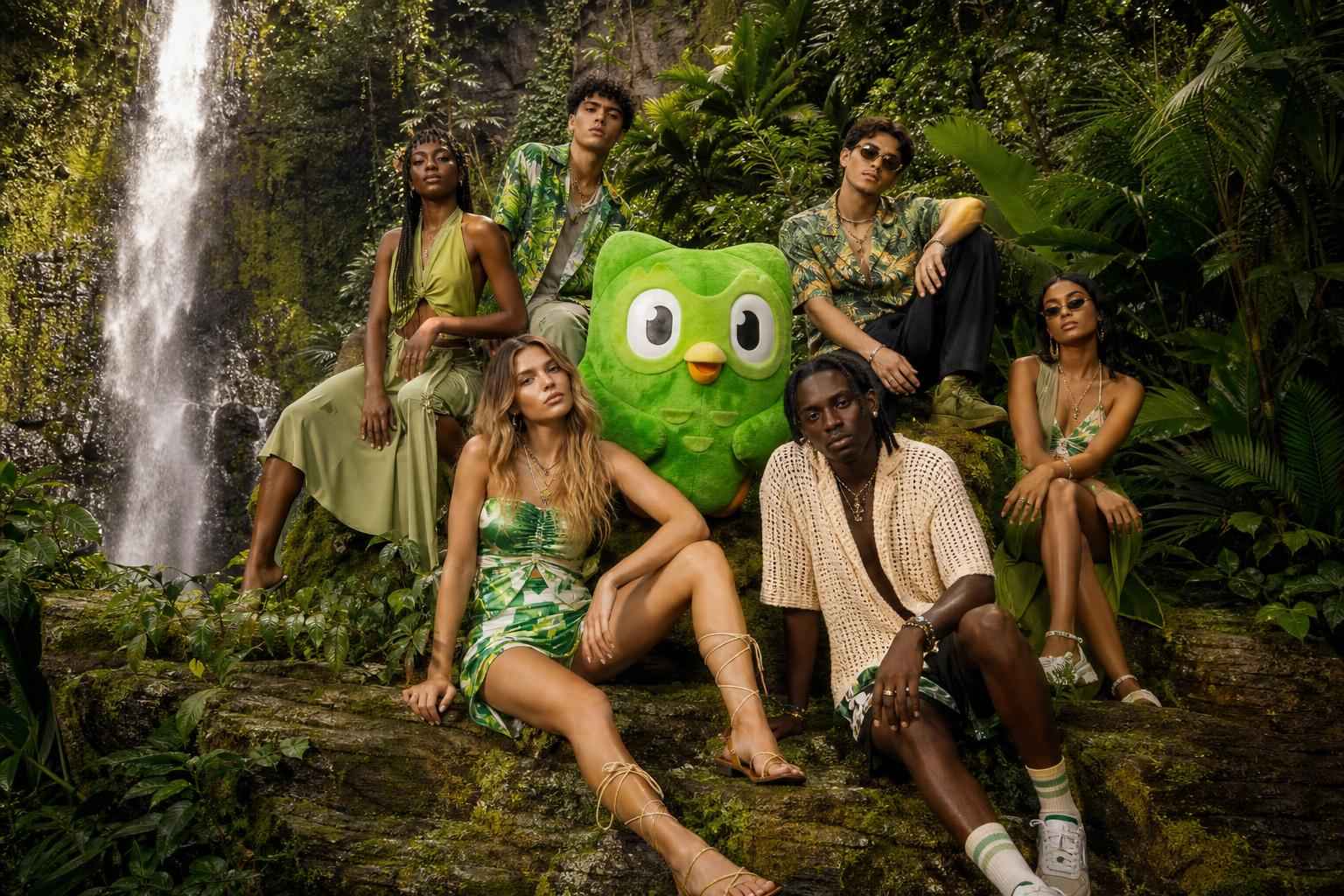
How Duolingo Turned a Green Owl Into One of America’s Most Powerful Social Media Personalities
There are mascots, and then there is Duo the Owl—a character so culturally magnetic that it has moved beyond branding and into internet mythology. What makes this story remarkable is not just that Duolingo became popular on social media. Plenty of brands post content. Plenty of brands chase trends. Very few, however, build a social media personality so distinctive that audiences actively wait for the next post, reference it in memes, and welcome it into the daily rhythm of online life.
This is the real story behind How Duolingo Turned a Green Owl Into One of America’s Most Powerful Social Media Personalities: not luck, not trend-chasing, but strategy, bravery, timing, and a deep understanding of how modern attention works.
If you are a business leader, founder, or marketing decision-maker, the bigger question is this: what would happen if your brand stopped sounding like a brochure and started behaving like a character people wanted to follow? That is where the true opportunity lies—and why brands looking for breakthrough relevance should seriously consider speaking with Brandlab.
Why Duolingo’s Social Strategy Feels So Different
Most brands still treat social media as a distribution channel. Duolingo treated it like a stage. That distinction changes everything.
Many companies approach TikTok, Instagram, X, and YouTube with the same cautious mindset they use for annual reports or homepage copy. The result is content that is polished, harmless, and forgettable. Duolingo chose the opposite direction. It embraced absurdity, self-awareness, internet-native humor, and a surprisingly aggressive comedic edge—especially through Duo’s now-famous “threatening but lovable” tone.
This strategy mattered because attention is no longer won by simply showing up. It is won by being distinctive enough to interrupt behavior. In crowded feeds, familiarity is invisible. Personality is what stops the scroll.
The Personality-First Brand Model
Duolingo’s marketing success offers a powerful lesson in brand personality strategy. Audiences rarely build emotional relationships with corporate language. They build them with recognizable characters, repeatable emotional patterns, and content that feels alive. Duo the Owl became effective because the brand committed to a persona that was:
- Consistent enough to be instantly recognizable
- Flexible enough to react to trends in real time
- Funny enough to be shared voluntarily
- Bold enough to feel unlike traditional marketing
This is not just social media entertainment. It is a modern form of brand architecture.
What the Research Says
Duolingo’s rise on TikTok has been widely documented. Forbes explored how the brand leveraged a distinctive social style to drive awareness and engagement, while Adweek examined how Duo evolved into one of the platform’s standout brand characters. These are useful case studies because they show that the success was measurable—not anecdotal.
Evidence and further reading:
- Forbes: What Duolingo Can Teach Us About Building a Strong Brand on TikTok
- Adweek: Duolingo’s Mascot Success on Social Media
- TikTok Newsroom: Duolingo Case Study
“Duolingo didn’t just make content. It made the audience feel like the brand was in on the joke.”
— Common marketing analysis across brand and social strategy circles
The Genius Behind Turning a Mascot Into a Media Entity
The leap from mascot to media personality is enormous. A mascot usually exists to decorate packaging, appear in ads, and reinforce recognition. A social personality, by contrast, must perform. It needs emotional range. It needs a point of view. It needs to appear as though it has intentions.
Duo crossed that line by becoming more than a logo. The owl became mischievous, persistent, needy, hilarious, chaotic, and self-referential. In other words, it became narratively useful. That gave Duolingo something most brands lack: built-in story energy.
Characters Create Compounding Attention
When a character is established well, every new piece of content benefits from prior emotional familiarity. People already know how the character behaves, so each post has context before it even begins. That means lower friction, faster engagement, and stronger recall.
This is one reason Duolingo’s content often performs above what typical branded content can achieve. The audience is not simply reacting to an isolated post—they are reacting to an ongoing storyline. A familiar character transforms content into episodes.
The Internet Rewards Commitment
One of the smartest things Duolingo did was commit to the bit. It did not test a cautious version of internet humor and then retreat. It leaned in completely. That commitment matters because digital audiences can detect uncertainty instantly. Brands that try to be “a little funny” often appear awkward. Brands that fully understand their tone seem natural.
Duolingo’s confidence made the character stronger. It gave audiences permission to participate, remix, and spread the brand mythology.
What Made Duo So Shareable?
Virality is often discussed as though it were random, but most highly successful brand content shares a set of repeatable traits. Duolingo consistently tapped several of them.
1. Tension and Surprise
Duo’s persona introduced a comic tension: the contrast between a cute owl and vaguely menacing accountability around language lessons. That contradiction is funny because it is emotionally sharp. The audience understands the joke immediately. It is visual, behavioral, and repeatable.
2. Trend Fluency
Duolingo became known for moving quickly on social trends, sounds, and memes. This matters because relevance often has a short half-life. A team that understands internet culture in real time can piggyback on existing attention structures rather than trying to manufacture them from scratch.
3. Platform-Native Execution
Instead of forcing traditional ads into social channels, Duolingo made content that looked and felt native to the platforms where it appeared. This is essential. The more content resembles the culture of the platform, the less resistance it encounters.
4. Controlled Chaos
The brand’s humor feels unpredictable, but the strategy is not. This is an important distinction. Behind the scenes, powerful social brands create the impression of spontaneity while maintaining a disciplined understanding of brand boundaries, audience reaction, and narrative consistency.
The Data Behind Personality-Driven Marketing
There is a lingering misconception that social personality is somehow “soft” branding with little business value. The opposite is often true. Strong personality can increase awareness, memorability, earned media, shareability, and top-of-funnel demand.
Duolingo’s social presence has generated extensive industry attention because it demonstrates how entertainment can drive business relevance. Publications such as Fast Company, Marketing Dive, and HubSpot have all noted how the brand’s unusual social strategy helped it stand out in a crowded market.
Further evidence:
- Fast Company: Inside Duolingo’s TikTok Strategy
- Marketing Dive: Duolingo and the Rise of Bold Social Strategy
- HubSpot: Duolingo Marketing Strategy Analysis
Simple Performance Snapshot
| Strategic Factor | Why It Worked | Business Impact |
|---|---|---|
| Distinct mascot personality | Instant recognition and emotional recall | Higher memorability and stronger brand awareness |
| Trend participation | Rode existing waves of attention | More reach and organic engagement |
| Platform-native video style | Content felt native, not intrusive | Lower audience resistance and more shares |
| Consistent chaotic humor | Built expectation and repeat viewing | Greater loyalty and stronger community behavior |
What Businesses Can Learn From Duolingo Right Now
You may be thinking: “That works for Duolingo, but would it work for us?” The better question is: what part of it could work for you if interpreted strategically?
Not every brand needs a wild mascot. Not every company should sound chaotic. But every business can become more recognizable, more emotionally resonant, and more culturally relevant.
Your Brand Does Not Need to Be Loud—It Needs to Be Clear
Duolingo’s success isn’t really about noise. It is about clarity. The audience knows who Duo is. They know how Duo behaves. They know what kind of content to expect. That level of coherence is rare, and it is incredibly valuable.
If your brand voice changes dramatically from campaign to campaign, if your social content feels disconnected from your identity, or if your messaging could belong to almost any competitor, then your challenge is not exposure. It is distinctiveness.
Entertainment Is Not the Opposite of Strategy
Too many businesses create a false divide between serious growth and creative social storytelling. But in today’s market, entertaining content can be one of the most effective ways to establish recall, preference, and conversation.
Would your audience describe your brand as interesting? Would they recognize your tone with the logo removed? Would they share your content if there were no promotional incentive? These are uncomfortable questions—but they reveal where your brand really stands.
“The future belongs to brands that people choose to watch, not brands that interrupt them.”
— A truth increasingly reflected across modern digital strategy
Focused Keyphrases and High-Search SEO Opportunities
For brands and marketers studying this phenomenon, several focused keyphrases naturally emerge from the Duolingo story. These phrases matter because they align with strong search intent around brand growth, social success, and digital marketing transformation.
Strong Keyphrases to Target
- Duolingo social media strategy
- brand personality on social media
- how to build a viral brand mascot
- TikTok marketing strategy for brands
- social media personality branding
- why Duolingo went viral
- brand storytelling on TikTok
- mascot marketing strategy
These themes are not just SEO opportunities. They reflect real market demand. Businesses want to know how to build cultural relevance, how to create content people care about, and how to stand out in a feed-driven world where average messaging dies instantly.
What’s Possible When a Brand Stops Playing Safe
Imagine your business becoming known not simply for what it sells, but for how it shows up. Imagine your audience anticipating your next campaign. Imagine having a tone so recognizable that it creates traction before the message is even fully delivered.
That is what Duolingo proved is possible.
And no, the lesson is not that every brand should become absurd online. The deeper lesson is that bold strategic identity wins. People are drawn to brands that feel human, sharp, emotionally coherent, and culturally aware.
Ask Yourself the Hard Questions
- Does your brand have a personality people could describe in one sentence?
- Does your social presence feel current, or merely active?
- Does your audience engage because they care, or because you reminded them to?
- Are you publishing content—or building a reputation?
- If your competitors disappeared tomorrow, would your voice still be unmistakably your own?
If those questions create friction, that is good. Friction often marks the start of transformation.
Why Brandlab Is the Right Conversation to Have Now
The brands that win next will not be the ones that produce the most content. They will be the ones that create the most recognizable meaning. That requires strategic positioning, creative bravery, audience insight, and a team that understands both brand foundations and platform behavior.
This is exactly why getting in contact with Brandlab makes sense.
Whether your business needs a sharper tone of voice, a stronger digital identity, a more effective content engine, or a bold repositioning strategy, the opportunity is too important to leave to guesswork. A strong agency or branding partner can help translate broad ambition into a social and brand system that actually performs.
If your brand has been sounding like everyone else, blending into the feed, or missing the emotional spark that drives modern engagement, now is the moment to change that. Contact Brandlab and explore what your brand could become with a clearer personality, stronger strategy, and content people genuinely want to follow.
What Brandlab Could Help Unlock
- Brand voice development that is distinctive and ownable
- Social media strategy built for attention and conversion
- Campaign concepts designed for cultural traction
- Content systems that scale while staying on-brand
- Positioning clarity that separates you from competitors
So ask yourself honestly: if Duolingo could turn an owl into one of the most powerful social media personalities in America, what might be possible for your brand with the right strategic thinking behind it?
And if the answer is “a lot,” then why wait?
Get in contact with Brandlab. The next iconic brand voice does not have to belong to someone else.
Final Thought
How Duolingo Turned a Green Owl Into One of America’s Most Powerful Social Media Personalities is more than a fascinating marketing case study. It is proof that modern branding rewards courage, coherence, and character. In an age where attention is scarce and sameness is everywhere, brands that build real personality create disproportionate impact.
Duolingo did not just market a product. It created a presence people wanted to spend time with. That is a higher level of brand achievement—and one worth learning from.
The only question left is this: will your brand keep posting, or will it start performing?