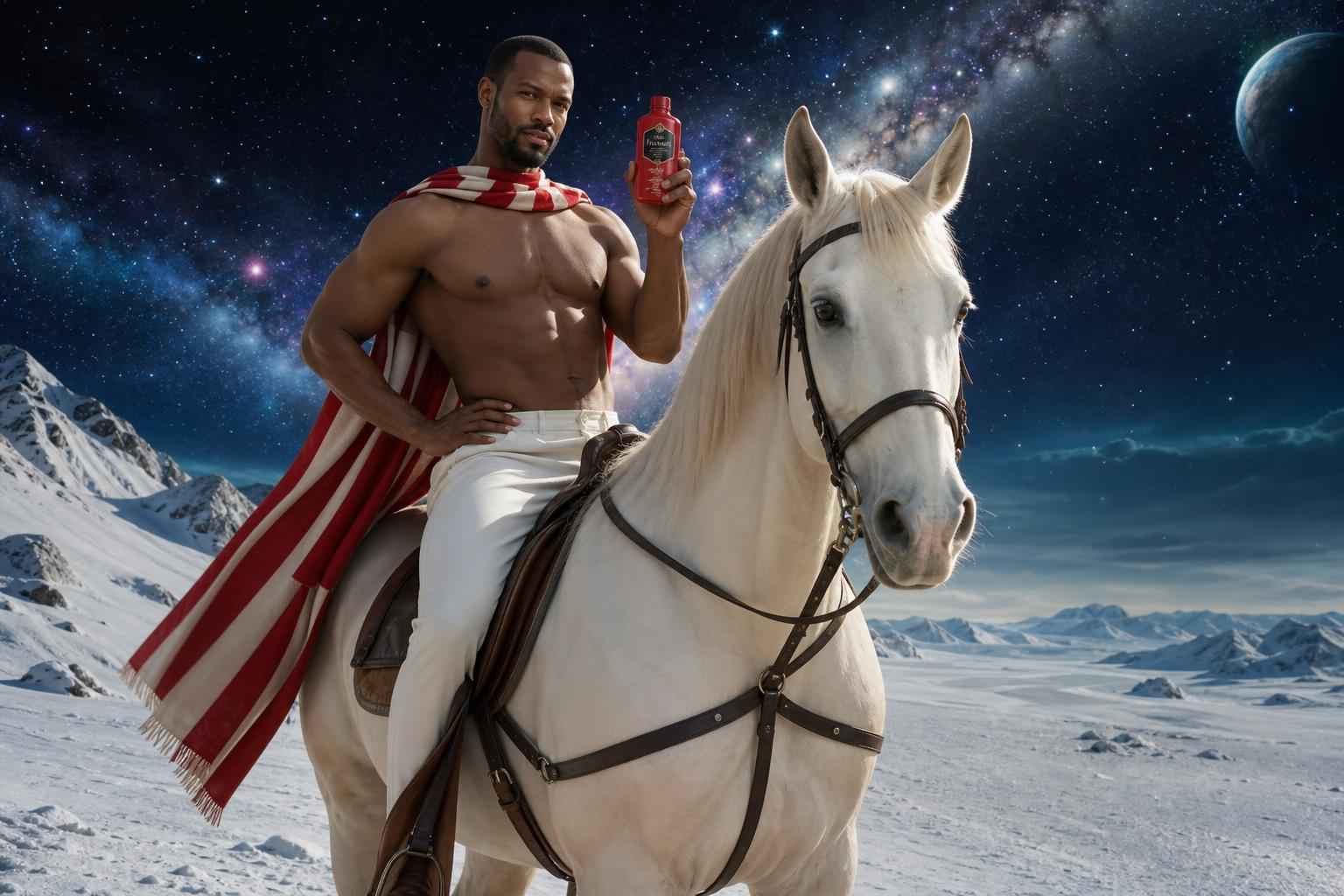
How Old Spice Reinvented a “Boring” Product Category With One Wild Campaign
There are product categories people talk about with excitement — electric cars, AI tools, sneakers, luxury travel — and then there are categories that often feel stuck in autopilot. Body wash. Deodorant. Men’s grooming. Functional? Yes. Memorable? Rarely.
And yet, one of the most celebrated modern marketing turnarounds came from exactly that kind of overlooked shelf space.
Old Spice did not just launch a campaign. It rewrote the rules of what a legacy brand could become when it embraced humor, speed, cultural relevance, and fearless creativity. What had long been seen by many younger consumers as a tired, older brand suddenly became fresh, talked about, quoted, shared, and bought.
The result was not just a viral moment. It was a masterclass in brand repositioning, creative strategy, and integrated marketing.
If you are building a legacy brand, refreshing a tired perception, or trying to make customers care again, this is not just an entertaining case study. It is a roadmap.
Why Old Spice Had a Problem Worth Solving
Before its reinvention, Old Spice had strong brand recognition, but recognition alone is not growth. Many consumers knew the name, but younger audiences did not necessarily feel the brand was for them. It carried heritage — but heritage can become baggage when it signals “outdated” instead of “trusted.”
This is one of the most common marketing problems in the world.
A once-loved brand remains visible but loses cultural energy. It becomes familiar without being desired. People know it, but they do not choose it with enthusiasm.
The challenge was not awareness
Old Spice did not need to tell people it existed. It needed to make them care. It needed to move from passive recognition to active relevance.
That distinction matters for every business. So many companies invest in visibility when the deeper issue is stale positioning. If your audience sees you but does not feel compelled by your message, more impressions alone will not fix the problem.
The category itself felt predictable
Men’s grooming advertising often leaned on familiar codes: toughness, performance, seduction, and hyper-masculine clichés. This created a sea of sameness. If every brand sounds strong, clean, fast, and attractive, then none of them sound particularly original.
Old Spice found the opening that others ignored: make the category entertaining.
The Campaign That Changed Everything
In 2010, Old Spice launched the now-iconic “The Man Your Man Could Smell Like” campaign, featuring Isaiah Mustafa delivering absurd, hyper-confident monologues directly to camera. The spot was slick, surreal, fast-moving, self-aware, and relentlessly quotable.
It felt nothing like traditional grooming advertising.
And that was exactly the point.
It used absurdity with precision
At first glance, the ad looked wild for the sake of being wild. But brilliant marketing often appears effortless when it is actually highly disciplined underneath. Every strange transition, every exaggerated line, every polished visual cue served a clear strategic purpose: make Old Spice impossible to ignore.
The campaign mixed aspiration and parody. It presented a fantasy of masculinity while simultaneously winking at the audience. That balance gave the work broad appeal. It was funny enough to share, polished enough to feel premium, and strange enough to stay memorable.
It spoke to more than one audience at once
One of the most underrated strengths of the campaign was its dual targeting. While Old Spice sold men’s grooming products, many household purchase decisions were influenced by women. The ads cleverly recognized this dynamic by speaking directly in a tone women would enjoy watching and men would not feel alienated by.
That is strategic creativity at its best. Not just funny. Not just daring. Commercially intelligent.
For evidence of the campaign’s impact and cultural significance, see coverage from Think with Google and advertising analysis from Campaign.
What Made the Campaign So Effective?
Plenty of brands try to be funny. Far fewer create work that changes business performance. Old Spice succeeded because the campaign did not rest on humor alone. It aligned creative bravery with media intelligence and brand clarity.
1. It embraced a distinct voice
The fastest route to irrelevance is sounding like everyone else. Old Spice chose a voice that was theatrical, witty, bizarre, and unmistakably its own. Within seconds, audiences knew what kind of world they had entered.
That is brand building.
A strong brand voice does more than decorate the message. It becomes a competitive advantage. It helps people recognize you before they even see your logo.
2. It was built for sharing
This campaign arrived at a moment when social sharing behavior was accelerating, and Old Spice leaned into it perfectly. The ads were short, surprising, and conversation-starting. People wanted to send them to friends because the content itself had entertainment value.
That distinction is critical. Audiences do not share content because a brand wants reach. They share content because sharing says something about them.
3. It extended beyond a single ad
The genius of Old Spice was not just one TV commercial. The brand turned the momentum into a larger ecosystem, including the famous personalized video responses. This transformed a campaign into an event.
According to Think with Google’s breakdown of the response campaign, Old Spice created more than 180 personalized videos in a matter of days, responding to fans, influencers, and celebrities across social platforms. That speed gave the brand a sense of cultural presence that most companies only dream about.
“Old Spice didn’t just make an ad people liked. It created a format people wanted to participate in.”
Why that matters: Participation is often the step that turns awareness into advocacy.
4. It understood the internet, not just advertising
Many campaigns are adapted for digital. Old Spice felt native to digital conversation. The pacing, the lines, the shareability, the responsiveness — it all worked in the rhythm of online culture.
Brands still struggle with this today. They produce polished campaigns and then wonder why nobody cares on social media. The answer is simple: digital success requires behavior, not just placement.
The Business Impact: Creativity That Sold
Creative people often hear the same tired question: “Yes, but did it drive results?” In Old Spice’s case, the answer is emphatically yes.
Reporting from multiple sources credited the campaign with significant sales growth, major online engagement, and a sharp shift in brand perception. Coverage in Nielsen and other industry analyses has discussed how the campaign helped make Old Spice body wash the top-selling men’s body wash brand in the United States during its surge period.
This matters because it challenges a false choice that still infects too much marketing thinking: the idea that you must choose between brand creativity and commercial effectiveness.
The best campaigns do both.
Brand attention became brand momentum
Old Spice captured attention, but crucially, it turned that attention into sustained interest. Too many brands go viral once and disappear. Old Spice built a platform it could continue to evolve.
Perception shifted at scale
Perhaps the most remarkable achievement was not the views or the headlines. It was the reframing of Old Spice in the minds of consumers. The brand went from old-fashioned to unexpectedly cool. That kind of psychological shift is rare and valuable.
Lessons for Brands That Feel Stuck
So what can other companies learn from Old Spice? Quite a lot — especially if your category feels ordinary, crowded, or hard to differentiate.
You do not need an exciting category to create exciting marketing
This may be the most liberating lesson of all. You do not need to sell something naturally glamorous. You need to tell a story in a way people will remember.
Ask yourself:
- Are you describing your product the same way everyone else does?
- Are you trapped in category clichés?
- Are you playing safely in a market where safe equals invisible?
If so, why not get the solution?
Why not create the message your market cannot ignore?
Humor is powerful when it is strategic
Humor alone is not a strategy. Randomness alone is not creativity. Old Spice succeeded because the tone amplified the positioning. The comedy was not detached from the brand. It was the brand expression.
Speed and responsiveness can multiply campaign impact
The personalized response videos taught marketers an enduring lesson: when a campaign gets attention, move fast. Do not wait for the moment to cool down. Extend it while the audience is leaning in.
Reinvention requires commitment
Half-measures rarely change perception. Old Spice did not timidly refresh a logo and hope for the best. It committed to a new direction with conviction, craft, and consistency.
A Simple View of Why the Campaign Worked
| Factor | What Old Spice Did | Why It Mattered |
|---|---|---|
| Positioning | Reframed a dated brand as playful and sharp | Changed how younger consumers perceived the brand |
| Creative | Used surreal humor and a distinctive voice | Made the campaign memorable and shareable |
| Audience Strategy | Spoke to both men and women | Expanded relevance and purchase influence |
| Social Activation | Created rapid-response personalized videos | Turned interest into active engagement |
| Commercial Outcome | Converted buzz into sales growth | Proved creativity can deliver business results |
What This Means for Your Brand Today
Not every business needs surreal comedy. Not every category needs a shirtless spokesperson on a horse. But every brand does need a reason to be chosen, remembered, and talked about.
That is where many companies fall short. They invest in activity instead of distinction. They produce content without a creative point of view. They sound polished yet interchangeable.
And then they wonder why growth stalls.
Modern audiences reward bold clarity
People are overwhelmed with messaging. The brands that break through are not always the loudest. They are the clearest, most emotionally resonant, and most confidently different.
Could your brand story be sharper?
Could your messaging be more ownable?
Could your next campaign create a reaction your competitors simply cannot copy?
What would happen if you stopped blending in and started building something people would actually remember?
The best repositioning feels both surprising and inevitable
This is another reason Old Spice remains such a fascinating example. Once the reinvention clicked, it felt obvious in hindsight. The brand had heritage, confidence, and recognizability — it just needed a new creative code.
That is often the hidden opportunity with established businesses. The raw material is already there. It simply needs sharper strategy and more courageous execution.
Evidence That Supports the Old Spice Reinvention Story
If you want deeper third-party reading on the campaign and its impact, these sources help confirm the broader story:
- Think with Google — Old Spice response campaign
- Campaign — advertising industry coverage and analysis
- Nielsen — brand, audience, and campaign effectiveness insights
- YouTube Culture & Trends for understanding the social-video environment campaigns like Old Spice helped shape
- Harvard Business Review for broader thinking on brand reinvention, differentiation, and growth strategy
“The smartest creative work doesn’t just interrupt attention — it earns a place in culture.”
Read that again. That is the difference between content people scroll past and campaigns people talk about.
Where Brandlab Comes In
Here is the real question: if a legacy grooming brand could transform itself from familiar-but-forgettable into culturally relevant and commercially powerful, what could happen for your brand with the right strategic thinking?
This is where businesses often hesitate. They know their positioning needs work. They know their campaigns feel too safe. They know competitors are easier to confuse with them than they should be. But they delay the reset.
Why?
Because reinvention can feel risky.
But staying forgettable is risky too.
Brandlab can help you find the opportunity hiding inside your category — even if your market looks crowded, mature, or creatively flat. From brand strategy to campaign development, from messaging refinement to creative positioning, the right team helps you move from generic to unforgettable.
What is possible when you get it right?
- A clearer brand identity
- Messaging that customers instantly understand
- Campaigns people actually remember
- More emotional connection with your audience
- Stronger differentiation in crowded markets
- Better alignment between brand creative and business growth
That is not theory. That is what effective branding is designed to do.
The Bigger Inspiration Behind the Old Spice Story
The Old Spice example is inspiring not because it is funny, but because it proves something deeply encouraging for ambitious brands: no category is condemned to dullness.
No product is automatically too ordinary.
No legacy perception is too fixed to challenge.
With the right insight, the right tone, and the right execution, what looks stale can become magnetic. What feels low-interest can become high-conversation. What once blended in can suddenly lead.
So ask yourself honestly
Is your current brand expression as strong as your business deserves?
Are you telling the most compelling story available to you?
Are you making it easy for customers to choose you?
Or are you still relying on marketing that sounds like everyone else?
If Old Spice could do it in a category many would label “boring,” what is stopping your brand from doing the same?
Why Not Get the Solution?
You do not need another safe campaign.
You do not need more bland messaging dressed up as strategy.
You do not need content that fills space without changing perception.
You need the kind of thinking that gets people to notice, remember, feel, and act.
Why not get the solution?
If your brand is ready for sharper positioning, stronger creative, and more meaningful impact, this is the moment to act. Contact Brandlab and start building the kind of brand story people do not just see — they talk about it, share it, and buy into it.
Because the brands that win are not always the ones with the flashiest product.
They are the ones bold enough to make people care.