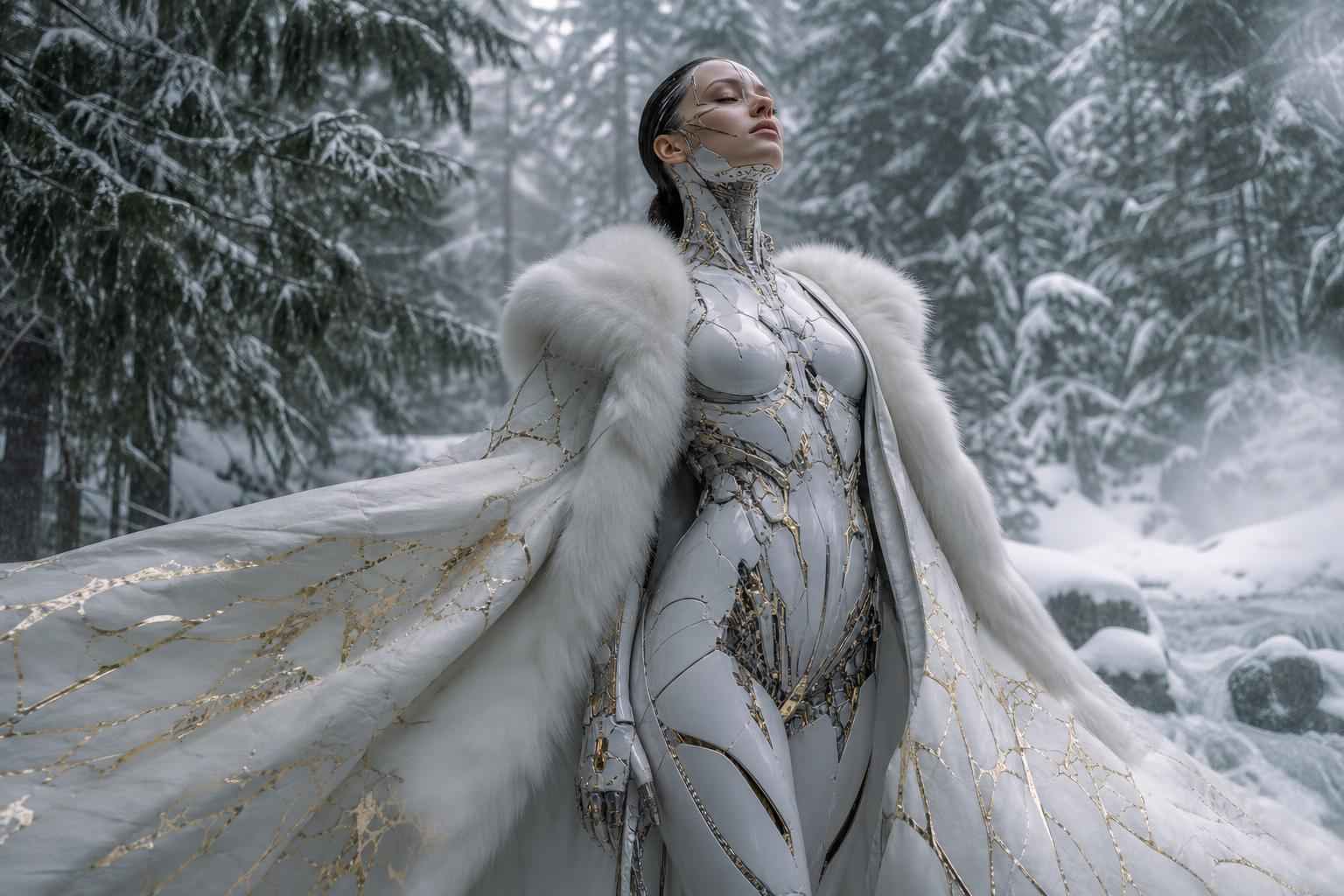
Midjourney Tips and Tricks: How to Create Better Brand Images With AI
Focused keyphrase: Midjourney tips and tricks
Secondary keyphrases: AI brand images, Midjourney prompts, brand identity design with AI, create better brand images
Brand imagery has always been a battle between imagination, budget, and time. Now there is a new force in that equation: AI image generation. And among the most talked-about tools in that space, Midjourney has become a creative catalyst for brands that want sharper visuals, faster concepting, and more ambitious storytelling.
But here is the truth many businesses discover too late: using Midjourney is easy, while using it well is an entirely different skill.
A beautiful image is not automatically a brand image. A striking output is not necessarily strategic. And a prompt that creates pretty visuals for social media may completely miss the emotional, commercial, and identity-driven power your business actually needs.
The real opportunity is not simply to generate images. It is to generate brand-right images—visuals with consistency, relevance, memorability, and emotional pull. That is where expert prompting, art direction, and strategic creative thinking matter most.
If your team has been asking, “How do we get more professional AI visuals?” or “Why do our Midjourney outputs still feel generic?” you are asking exactly the right questions. Better prompts are part of the answer. Better creative direction is the rest.
So what becomes possible when AI brand imagery is handled correctly? Faster campaign mockups. More imaginative concept development. Richer visual testing. Sharper storytelling at lower cost. Distinctive images that feel less stock, less predictable, and far more ownable. The question is not whether AI can support your brand image production. The question is: why not get the solution right now?
Why Midjourney Matters for Modern Brand Building
Brand building is visual before it is verbal. Audiences often feel a brand before they fully understand it. Color, mood, texture, composition, symbolism, and style all shape trust in milliseconds. According to research from Nielsen on trust and advertising, visual credibility plays a powerful role in how consumers perceive marketing messages. Meanwhile, studies around first impressions repeatedly show how rapidly people judge what they see.
Midjourney matters because it dramatically accelerates the process of exploring these visual impressions. It allows businesses to experiment with multiple creative territories before money is committed to full-scale production. That flexibility can transform how a brand develops campaign concepts, product visuals, social assets, event imagery, packaging ideas, and moodboards.
From inspiration to execution
In traditional creative workflows, moving from a loose idea to a polished visual concept can take days or even weeks. With Midjourney, that window often shrinks to hours. Teams can explore aesthetic directions quickly, reject weak routes earlier, and focus resources on the ideas with the strongest potential.
From general visuals to signature style
However, speed creates risk. If your prompts are vague, your outcomes will likely look trendy but interchangeable. And in branding, interchangeable is dangerous. Great brands are remembered because they feel distinct. The task is not just to create AI images. The task is to create a recognisable visual language.
“AI gives us infinite variation, but strategy gives us conviction. Without conviction, variation is just noise.”
The Biggest Mistake Brands Make With Midjourney
The most common mistake is treating Midjourney like a magic image vending machine. Type a few descriptive words, get a polished artwork, and hope it somehow aligns with your business. That approach may produce attractive images, but it rarely produces a coherent brand system.
Pretty is not the same as persuasive
A luxury skincare brand, a challenger fintech company, and a sustainability-led fashion label may all want “beautiful” imagery. But beauty means very different things in each category. One may require minimalist premium restraint. Another may need trustworthy sophistication. Another may need tactile earth-led warmth. If your prompt language does not reflect those nuances, Midjourney cannot invent your strategy for you.
Style without consistency weakens recall
Brand memory is built through repetition and recognisability. Research discussed by the IPA on marketing effectiveness and by Kantar’s brand research supports the idea that distinctive assets and consistency increase effectiveness. Randomly generated visuals, no matter how eye-catching, can dilute rather than strengthen identity.
That is why the best Midjourney work starts with a clear answer to this question: What should people feel when they see your brand?
Midjourney Tips and Tricks That Actually Improve Brand Images
Now let us get practical. The following Midjourney tips and tricks are not just about generating attractive art. They are about building sharper, stronger, and more commercially useful AI brand images.
1. Start with brand attributes, not image objects
Many users begin by prompting visible things: woman, desk, coffee cup, skyline, product bottle, modern office. That is not enough. Begin with your brand attributes. Is the brand bold, calm, elevated, rebellious, intelligent, playful, technical, luxurious, human, or future-facing?
These words shift the emotional direction of the final output. They also provide a filter for visual choices such as lighting, framing, styling, and atmosphere.
Better prompt thinking: instead of “a bottle on a table,” think “premium minimalist skincare brand photography, calm luxury, soft daylight, tactile stone surface, understated editorial composition.”
2. Build prompts like a creative brief
The strongest prompts often contain several layers:
| Prompt Layer | What to Include | Why It Matters |
|---|---|---|
| Brand mood | Confident, warm, premium, disruptive | Sets emotional tone |
| Visual subject | Product, person, environment, concept | Defines what appears |
| Art direction | Editorial, cinematic, macro, minimalist | Shapes style and composition |
| Technical details | Lighting, lens feel, texture, color palette | Improves realism and consistency |
| Usage context | Website hero, campaign poster, social asset | Keeps output commercially relevant |
This is where brands see a leap in quality. Prompts become less like random ideas and more like mini creative briefs.
3. Use reference images strategically
One of the most powerful ways to improve Midjourney prompts is to use image references carefully. These can help direct composition, palette, materials, mood, or photographic feel. But use them with discipline. Referencing too many conflicting images can create confused results.
If your brand already has a website, packaging suite, campaign look, or social feed, those assets can inform stronger prompt consistency. This is especially useful when creating concept work that needs to feel adjacent to existing identity rather than disconnected from it.
4. Get obsessed with lighting
Lighting is often the hidden difference between amateur-looking AI imagery and premium-looking AI imagery. Ask yourself: should this visual feel like soft editorial daylight, atmospheric cinematic shadow, crisp e-commerce studio lighting, or warm sunset glow?
Light controls emotion. Emotion controls perception. And perception controls brand value.
5. Define what should not be there
Great creative direction is partly about exclusion. If your brand should not feel cluttered, hyper-saturated, kitsch, childlike, glossy, futuristic, or chaotic, say so in your prompt process. Knowing what to remove is just as important as knowing what to include.
6. Create prompt frameworks, not one-off prompts
If you want scalable brand consistency, build repeatable formulae. For example, create a master prompt structure for lifestyle imagery, another for product hero shots, another for conceptual campaign visuals, and another for abstract brand textures.
This transforms Midjourney from an experimental toy into a more systematic creative engine.
How to Make AI Images Feel More Like Your Brand
Here is the challenge every business faces: Midjourney has a recognisable “AI aesthetic” if used lazily. To avoid this, your prompts must go beyond broad genre labels.
Use your own brand vocabulary
What words appear in your strategy deck, tone-of-voice guide, or brand positioning statement? Bring them into your visual process. If your brand is defined by “precision,” “optimism,” “crafted simplicity,” or “urban intelligence,” these ideas should influence imagery.
Think in systems, not isolated assets
One standout image is useful. A connected family of images is far more powerful. Ask: can this image system support a homepage, paid social, presentations, print, out-of-home, and email campaigns? Does it still feel like the same brand across every touchpoint?
Blend AI generation with human curation
The strongest results rarely come from generating once and accepting whatever appears. High-performing visual teams use AI, then curate, refine, combine, edit, and art direct further. Adobe’s own coverage of generative workflows points to the value of creative control in professional output, as seen across Adobe Firefly resources and broader design workflow discussions.
Midjourney Tips and Tricks for Specific Brand Use Cases
For product brands
Use prompts that emphasise material realism, surface quality, premium detail, packaging harmony, and controlled lighting. Product brands benefit when AI visuals feel tactile and believable, even in conceptual scenes.
For service brands
Service businesses often rely too heavily on generic stock-style people imagery. Midjourney can open up a fresher route. Create symbolic or atmospheric visuals that express transformation, trust, confidence, clarity, momentum, or expertise instead of defaulting to handshakes and laptops.
For luxury brands
Luxury depends on restraint. In prompting, less can often achieve more. Focus on negative space, elevated materials, subtle contrast, understated styling, and emotional distance. Avoid overcomplicated scenes that cheapen perception.
For disruptive challenger brands
Push contrast, rhythm, unexpected angles, bolder palettes, and more dynamic compositions. Let the image language embody the confidence of the brand. Ask yourself: if your competitor made this image, would it feel too safe?
What the Results Can Look Like in Practice
Imagine a brand preparing for a relaunch. Instead of commissioning every concept from scratch, the team uses Midjourney to explore twenty campaign routes in two days. They test modern editorial photography, surreal symbolic compositions, textured monochrome still life, and vibrant people-first storytelling. Weak ideas die early. Strong directions evolve. The final campaign is then refined professionally and launched with more confidence because the strategic exploration happened first.
That is the real promise here: not just faster visuals, but smarter visual decision-making.
| Before Better Prompting | After Better Prompting |
|---|---|
| Generic, trend-led outputs | Distinctive, brand-aligned visual territories |
| Inconsistent mood and style | Structured, repeatable image frameworks |
| Short-term experimentation only | Longer-term branded asset generation |
| Visual novelty without strategy | Creative exploration tied to commercial goals |
What Someone Said About AI and Brand Creativity
“The brands that stand out in the AI era will be the ones that know exactly who they are. Tools can multiply output, but only clarity can multiply impact.”
That quote captures the core issue perfectly. AI does not remove the need for brand strategy. It increases the reward for having one.
Why Working With Brandlab Changes the Outcome
Midjourney can generate images. But Brandlab can help ensure those images serve your brand, your positioning, and your commercial direction.
Strategy-first image creation
Rather than chasing random aesthetics, Brandlab can connect your visual generation process to a deeper brand framework. That means your images are not just visually impressive. They become more intentional, more persuasive, and more ownable.
Better prompts, better systems, better results
Prompt writing is now a real creative discipline. When handled by people who understand branding, messaging, and design systems, the uplift in quality is dramatic. Why leave such a valuable opportunity to guesswork?
A faster route to standout brand assets
If your team is under pressure to produce campaign ideas, social visuals, web imagery, or pitch concepts faster, Brandlab can help you do that with more clarity and less wasted experimentation.
Evidence That AI Visual Tools Are Reshaping Creative Work
This shift is not speculation. It is already well underway. You can see industry context in reporting and resources from trusted publishers and platforms, including:
- OpenAI coverage on image generation progress
- McKinsey on the economic potential of generative AI
- Adobe on AI in marketing and design workflows
These sources reinforce what many creative teams already know from experience: AI is not a fringe experiment. It is becoming part of mainstream creative production and idea development.
The Future Belongs to Brands That Direct AI Well
There is a difference between using AI and leading with AI intelligently. The brands that win will not be the ones generating the most images. They will be the ones generating the most meaningful ones.
That means asking harder questions:
- Does this image strengthen memory of our brand?
- Does it feel emotionally correct for our audience?
- Can we scale this style across channels?
- Does it create value, or does it just create content?
If you can answer those questions well, Midjourney becomes much more than a novelty. It becomes a serious brand-building tool.
Final Thought: Why Settle for Generic When Distinctive Is Possible?
The most exciting thing about Midjourney is not that it can make nice pictures. It is that it can unlock new territories of brand expression—if guided properly. You can move faster. You can test bolder ideas. You can create more distinctive visual worlds. You can make brand imagery feel fresher, richer, and more emotionally charged.
But only if you stop thinking like a casual prompt user and start thinking like a creative strategist.
Midjourney tips and tricks matter. Prompt structures matter. Brand consistency matters. Art direction matters. Human judgment matters most of all.
If your brand is ready to create better brand images with AI, why not get the solution now? Why keep producing visuals that blend in, when your business could be building imagery that people actually remember?
Get in contact with Brandlab to explore how AI-powered visual direction, smarter prompting, and strategic brand thinking can help your business create sharper, more effective, and more distinctive image assets.
The opportunity is here. The tools are ready. The question is simple: are you ready to make your brand look like it belongs in the future?