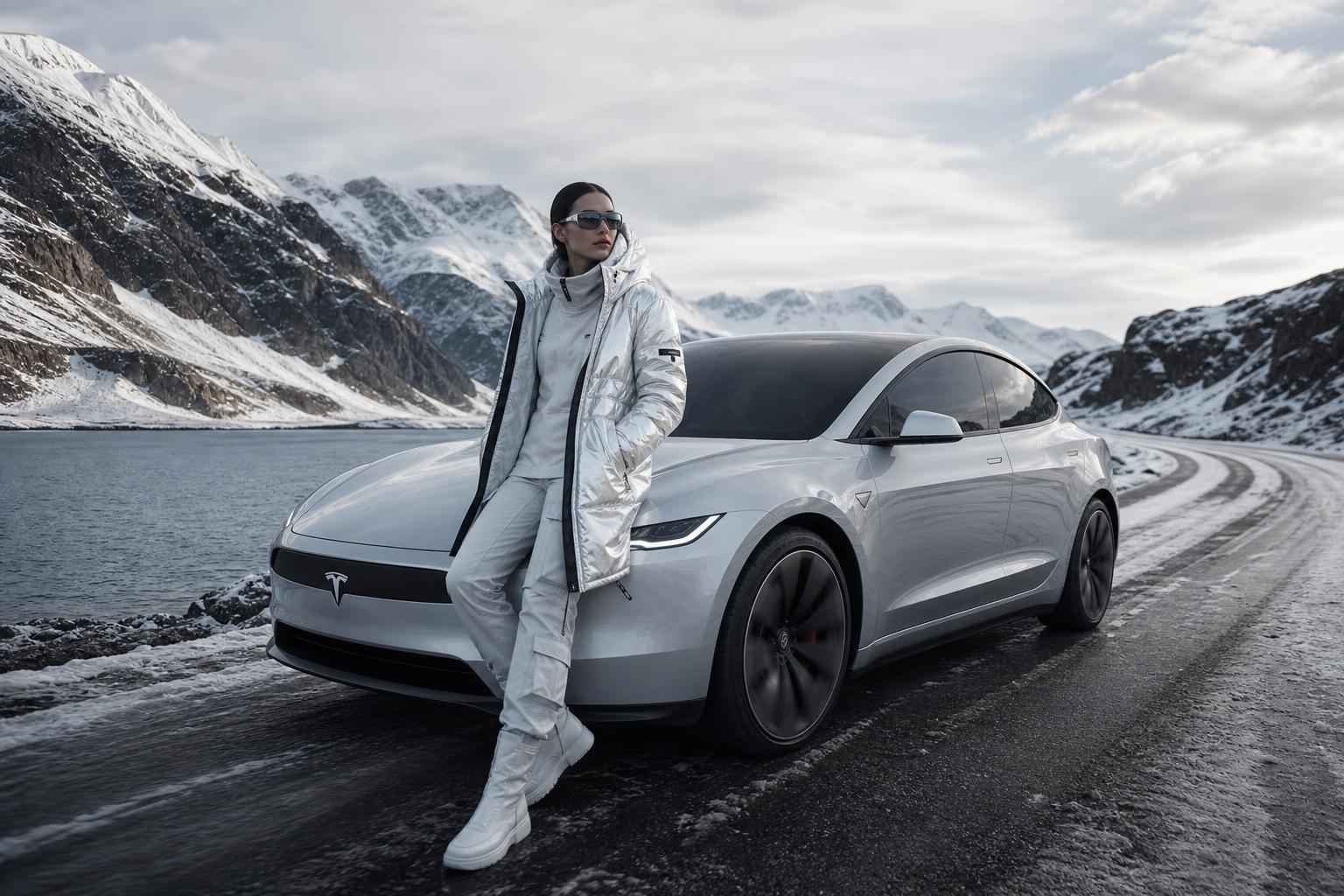
What Tesla Can Teach CMOs About Building Demand Through Brand Innovation
There are brands that chase attention, and there are brands that reshape markets. Tesla belongs firmly in the second category. It did not simply sell electric vehicles. It turned a once-niche category into a symbol of aspiration, cultural relevance, and technological progress. For today’s marketing leaders, that should spark an urgent question: what can CMOs learn from Tesla about building demand through brand innovation?
The answer is not just about electric cars, charismatic founders, or product launches that dominate headlines. It is about brand-led demand creation. Tesla demonstrates how innovation, narrative, customer experience, scarcity, and belief can combine to create momentum that many companies spend millions trying to manufacture through media alone.
For CMOs under pressure to prove growth, lower acquisition costs, sharpen differentiation, and make every budget line work harder, Tesla offers a compelling lesson: demand is strongest when your brand makes people feel they are buying into the future.
That is where visionary businesses separate themselves. They stop marketing products as transactions and start building brands as movements.
Why Tesla Matters to Modern CMOs
In an era of fragmented attention, paid media inflation, and tightening margins, CMOs cannot rely only on performance marketing. The brands outperforming competitors today tend to have something deeper: cultural relevance, emotional differentiation, and strategic clarity.
Tesla built a brand that consumers actively discuss, defend, debate, and desire. It generated demand in ways that reduced dependence on conventional advertising for years. That alone makes it a fascinating case study.
According to Statista’s Tesla market data, Tesla’s growth story has consistently reflected the power of demand beyond simple product utility. Meanwhile, broader studies on brand strength and commercial performance from sources like McKinsey on the value of brand reinforce a truth many boards are rediscovering: strong brands improve resilience, lift pricing power, and support long-term growth.
So, why does Tesla command so much attention? Because it does several things exceptionally well that CMOs in every sector can adapt.
The Core Demand-Building Lessons Tesla Offers CMOs
1. Tesla Sells a Vision Before It Sells a Product
Most brands lead with features. Tesla led with a future. The company positioned itself not as a car manufacturer first, but as a catalyst for sustainable energy and technological transformation. This matters because people are drawn to brands that stand for something larger than the item being sold.
When customers buy into a vision, demand becomes more durable. They are no longer comparing on price alone. They are comparing identities, values, and aspirations.
Ask yourself: is your brand simply describing what it does, or is it helping customers imagine who they become by choosing you?
For CMOs, the strategic lesson is powerful. Demand creation does not begin with campaign distribution. It begins with a compelling market narrative. If your category feels stale, your brand can still become magnetic if you articulate a future others want to participate in.
“People don’t buy what you do; they buy why you do it.” — Simon Sinek
Tesla operationalised this idea at scale. Its mission amplified product appeal and gave buyers a story worth repeating.
2. Brand Innovation Creates Demand Before Category Logic Catches Up
There was a time when electric vehicles were widely perceived as compromised: limited range, uninspired design, and low emotional appeal. Tesla did not accept that category script. It rewrote it.
Instead of marketing electric cars as prudent compromises, Tesla made them desirable. Fast. Beautiful. Intelligent. Elite. In doing so, it built demand not by conforming to category expectations, but by challenging them.
This is one of the most important lessons for CMOs. Brand innovation is not just product innovation with better packaging. It is the strategic act of changing what customers expect from a category.
How often do brands waste potential because they market inside the rules of yesterday?
When your business innovates the meaning of the category itself, demand follows in a more valuable form. Consumers stop asking, “Why should I switch?” and start asking, “Why would I stay where I am?”
3. Tesla Makes Innovation Visible
Many businesses are innovative behind the scenes, but that innovation is invisible to customers. Tesla made innovation conspicuous. Over-the-air software updates, minimalist interiors, autonomous-driving narratives, direct-to-consumer interaction, charging infrastructure, and futuristic design all signalled progress in highly visible ways.
This is a lesson in perception management. Innovation only builds brand demand if people can recognise it, talk about it, and attach meaning to it.
CMOs should ask a difficult question here: are we innovating in ways the market can actually see, or are we hiding our best thinking deep inside operations decks and product roadmaps?
The strongest brands turn improvements into stories. They translate complexity into symbols customers understand instantly.
How Tesla Built Desire, Not Just Awareness
4. Scarcity and Selectivity Can Intensify Demand
Tesla’s launches often created anticipation through scarcity, waiting lists, and limited early access. That approach worked because the brand had already established a high-value narrative around innovation and exclusivity.
Scarcity alone is not strategy. But scarcity paired with meaning can drive extraordinary demand. Why? Because humans value what feels difficult to access, socially validated, and future-defining.
This is especially important in crowded markets flooded with promotions. Endless availability can flatten perceived value. A more deliberate release strategy, premium positioning model, or invite-based experience can make demand stronger.
Could your brand benefit from creating more anticipation instead of constantly chasing immediate conversion?
5. Tesla Understands the Power of Customer Evangelism
Demand scales faster when customers become storytellers. Tesla created an owner culture where customers often act as advocates, reviewers, content creators, and defenders of the brand. This is not accidental. It emerges when a brand gives people something they feel proud to talk about.
Word-of-mouth remains one of the most trusted forms of influence. Research from Nielsen’s trust in advertising research has repeatedly shown that recommendations from people we know are among the most credible drivers of action.
CMOs often ask how to increase organic reach. A better question may be: what are we creating that is inherently worth sharing?
Tesla’s lesson here is stark. If your product experience, brand story, and status signal are strong enough, customers will do part of the marketing for you.
6. It Uses Leadership as Brand Media
Whether admired or critiqued, Tesla has benefited from highly visible leadership that drives continuous public attention. This does not mean every CMO needs a celebrity CEO. It means modern brands should recognise that leadership visibility can be a strategic media asset.
Thought leadership, founder storytelling, executive presence, and point of view can all increase trust and memorability. B2B brands, in particular, often underuse this opportunity.
According to Edelman’s Trust Barometer, trust remains central in how audiences evaluate institutions, businesses, and decision-makers. In categories where confidence matters, visible and credible leadership can become an accelerant for demand.
The wider lesson is simple: faceless brands struggle to inspire. Brands with conviction, personality, and public presence leave a stronger impression.
What Tesla Gets Right About Brand Positioning
7. Premium Positioning Protects Perceived Value
Tesla did not launch by trying to be for everyone. It entered the market from the premium end, where desirability could be established before scale was expanded. This is a classic strategic move, but Tesla made it feel contemporary and culturally charged.
For CMOs, the point is not that every brand should become luxury. It is that clarity of positioning creates stronger demand than broad, diluted appeal. Brands that attempt to please everyone typically weaken their own distinctiveness.
Premium positioning also supports stronger margins, better pricing discipline, and a more controlled brand image. In uncertain markets, that can become a major competitive advantage.
So ask yourself: are you trying to win with relevance, or are you trying to win with distinction?
8. Consistency Builds Mental Availability
Tesla’s visual identity, product philosophy, tone, and innovation cues all reinforce one another. This consistency matters because demand often depends on whether your brand comes readily to mind at the right buying moment.
Marketing science work from the LinkedIn B2B Institute and the principles popularised by Ehrenberg-Bass around mental and physical availability have shown how brand salience influences growth.
The takeaway for CMOs is foundational: inconsistent brands waste money. If every campaign feels disconnected, every message sounds different, and every touchpoint tells a new story, customers cannot build a stable memory structure around who you are.
Tesla’s consistency makes it easier for people to remember what it stands for: the future, innovation, status, and disruption.
What CMOs Can Apply Right Now
9. Build Demand Around Belief, Not Just Benefits
Benefits matter. Performance matters. Proof matters. But belief is what scales demand emotionally. Tesla’s customers often believe in the mission as much as the machine. That creates a deeper brand bond.
CMOs should define the larger belief system around their brand. What future are you helping create? What friction are you fighting? What old assumption are you rejecting? What progress are you inviting customers into?
When belief is clear, campaigns become sharper, content becomes more resonant, and customer communities become stronger.
10. Turn Product Strength Into Brand Theatre
Tesla does not treat product capability as dry specification. It turns capability into spectacle. Launch events, software demonstrations, design reveals, and updates all become theatre.
This is not superficial. It is strategic. Customers remember experiences that dramatise value.
Too many companies present innovation in forgettable ways. Spreadsheets do not create demand. Stories do. Demonstrations do. Surprise does. Symbolism does.
If your product team is building something remarkable, your brand team must ensure the market feels that remarkability.
11. Use Ecosystem Thinking to Deepen Demand
Tesla’s brand extends beyond vehicles into energy, charging, software, and infrastructure. This ecosystem approach increases both utility and lock-in, while reinforcing the brand’s bigger narrative.
CMOs can take inspiration from this by thinking beyond isolated campaigns or standalone offers. Where can your brand create a more connected customer ecosystem? Where can one touchpoint increase the value of another? Where can convenience, continuity, and integrated experience create demand that competitors cannot easily replicate?
Practical Strategy Table: Tesla Lessons for CMOs
| Tesla Principle | What It Means | CMO Action |
|---|---|---|
| Vision-led branding | Sell the future, not just the function | Develop a bold brand narrative tied to transformation |
| Visible innovation | Make progress easy for the market to notice | Translate enhancements into memorable stories |
| Premium positioning | Protect value through distinction | Clarify audience, elevate identity, reduce commoditisation |
| Customer evangelism | Create experiences worth talking about | Design advocacy into the customer journey |
| Ecosystem strategy | Multiply value across touchpoints | Build services, content, and experiences that connect |
A Simple Demand-Building Chart for CMOs
Below is a simplified view of how brand innovation can amplify demand over time.
High Demand
    |
    |                         Brand Leadership + Advocacy
    |                    /
    |               Innovation Visibility
    |            /
    |       Strong Positioning
    |    /
    | Vision + Belief
    |
    +------------------------------------------------
          Low                           High Maturity
The point is not that demand appears overnight. It compounds when your brand consistently layers meaning, innovation, proof, and cultural relevance over time.
Where Many Brands Fail
12. They Focus Too Heavily on Short-Term Activation
Performance channels are important. But if your brand is weak, activation costs rise and conversion efficiency eventually suffers. Tesla’s example reminds us that strong brands lower friction before the buyer even enters the funnel.
Research from The Long and the Short of It by Binet and Field has helped many marketers understand the balance between long-term brand building and short-term sales activation. The lesson remains highly relevant: brands grow more effectively when they invest in both.
CMOs need to protect brand-building work, even when dashboards tempt them to optimise only for immediate returns.
13. They Underestimate the Emotional Power of Innovation
Innovation is often treated as rational proof. Tesla shows it can also be emotional fuel. Innovation can signal status, intelligence, progress, excitement, and belonging.
That emotional dimension changes the game. It means innovation is not just operational improvement. It is a branding asset.
Why This Matters for Brandlab Clients
At Brandlab, this is where strategy becomes commercially transformative. Businesses do not need to become Tesla to learn from Tesla. They need to identify the distinctive future they can credibly own, then express it with enough clarity and creativity that the market cannot ignore it.
That may mean redefining your positioning. Refreshing your message architecture. Building a sharper brand platform. Creating more visible signals of innovation. Designing campaigns that create desire before comparison begins. Or aligning leadership, product, and customer experience so they tell one unforgettable story.
The companies that win demand do not simply say they are different. They make difference feel obvious. That is precisely where strategic brand thinking changes growth trajectories.
If your business is still fighting on the same tired category claims as everyone else, why stay trapped there? Why not build a brand that commands attention, trust, and preference before the sales conversation even begins?
Why not get the solution?
The Next Question Every CMO Should Ask
Not “how do we copy Tesla?” but “how do we apply the principles behind Tesla’s demand engine to our own market reality?”
That means asking:
- What future does our brand help customers believe in?
- What category assumptions should we challenge?
- How can we make our innovation more visible and desirable?
- Are we building distinction or disappearing into parity?
- What would it take for customers to advocate for us without being asked?
These are not small questions. But they are the questions that lead to category-defining growth.
Final Thought: Demand Belongs to the Bold
Tesla’s greatest lesson for CMOs is not just that innovation matters. It is that innovation becomes exponentially more powerful when your brand gives it meaning. Products can impress. Brands can mobilise. Products can convert. Brands can create movements.
In a crowded, sceptical, high-noise market, that difference is everything.
If your brand has the ambition to lead rather than follow, to shape demand rather than merely respond to it, then this is the moment to act. Build the narrative. Sharpen the positioning. Make your innovation visible. Create something people want to join, not just buy.
And if you want expert support turning brand strategy into measurable demand, get in contact with Brandlab. The opportunity may be bigger than you think. The market is waiting for brands brave enough to define what comes next.
Contact Brandlab to explore how sharper positioning, stronger brand innovation, and demand-led strategy can unlock your next phase of growth.