Gablok Australia | Digital Transformation
An integrated Gablok Australia case study spanning positioning, audience strategy, identity, digital acquisition, partner channels, investor communications and commercialisation planning.
Inside the project
01 // Project overview
Building the market for a new way to build
Gablok Australia is introducing a modular timber-and-insulation building system to a market under pressure from housing affordability, labour availability, construction timelines and material waste. BRANDLAB's branding and go-to-market work connects a distinctive construction product with an ambitious Australian commercialisation story: an accessible customer proposition, a credible partner ecosystem, an investor narrative and a route from awareness to qualified demand. The project required more than an attractive visual identity. It required translating unfamiliar building technology into a comprehensible proposition for different decision-makers while carefully separating planned benefits from validated performance.
02 // The challenge
One product, multiple high-stakes audiences
Homeowners ask whether a finished house will be affordable, comfortable, insurable and approvable. Developers assess delivery certainty, unit economics, scalability and repeatability. Architects, builders, engineers and certifiers want technical details, evidence and a clearly documented NCC compliance pathway. Investors consider defensibility, manufacturing investment, distribution, risk and potential returns. A single generic campaign could not do all of these jobs. The positioning had to preserve the engineered identity of the modular block while addressing practical Australian questions about footings, wall performance, thermal modelling, structural design, services, fire protection, tie-downs, openings and moisture management.
03 // Brand strategy
From innovative blocks to a complete housing proposition
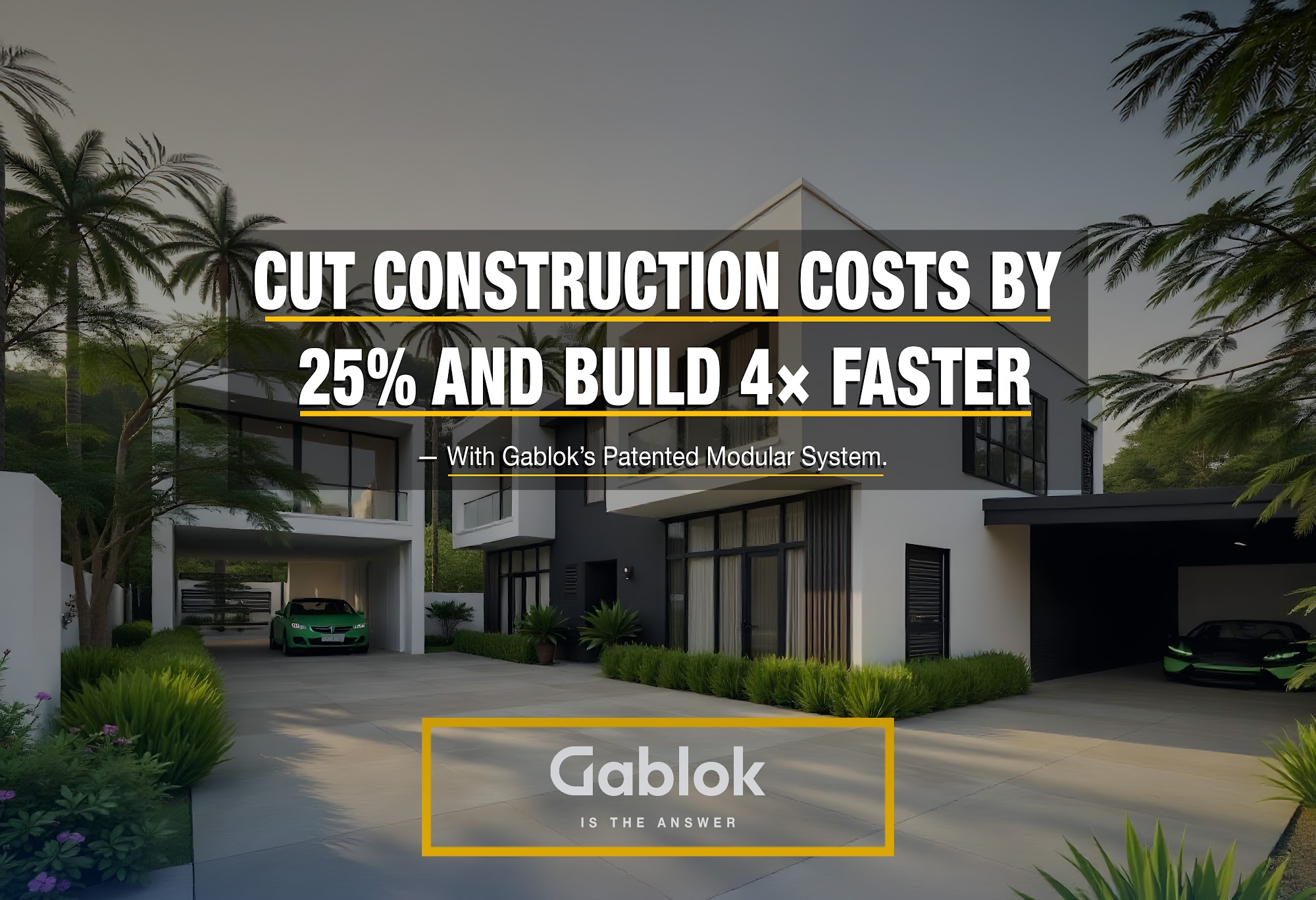
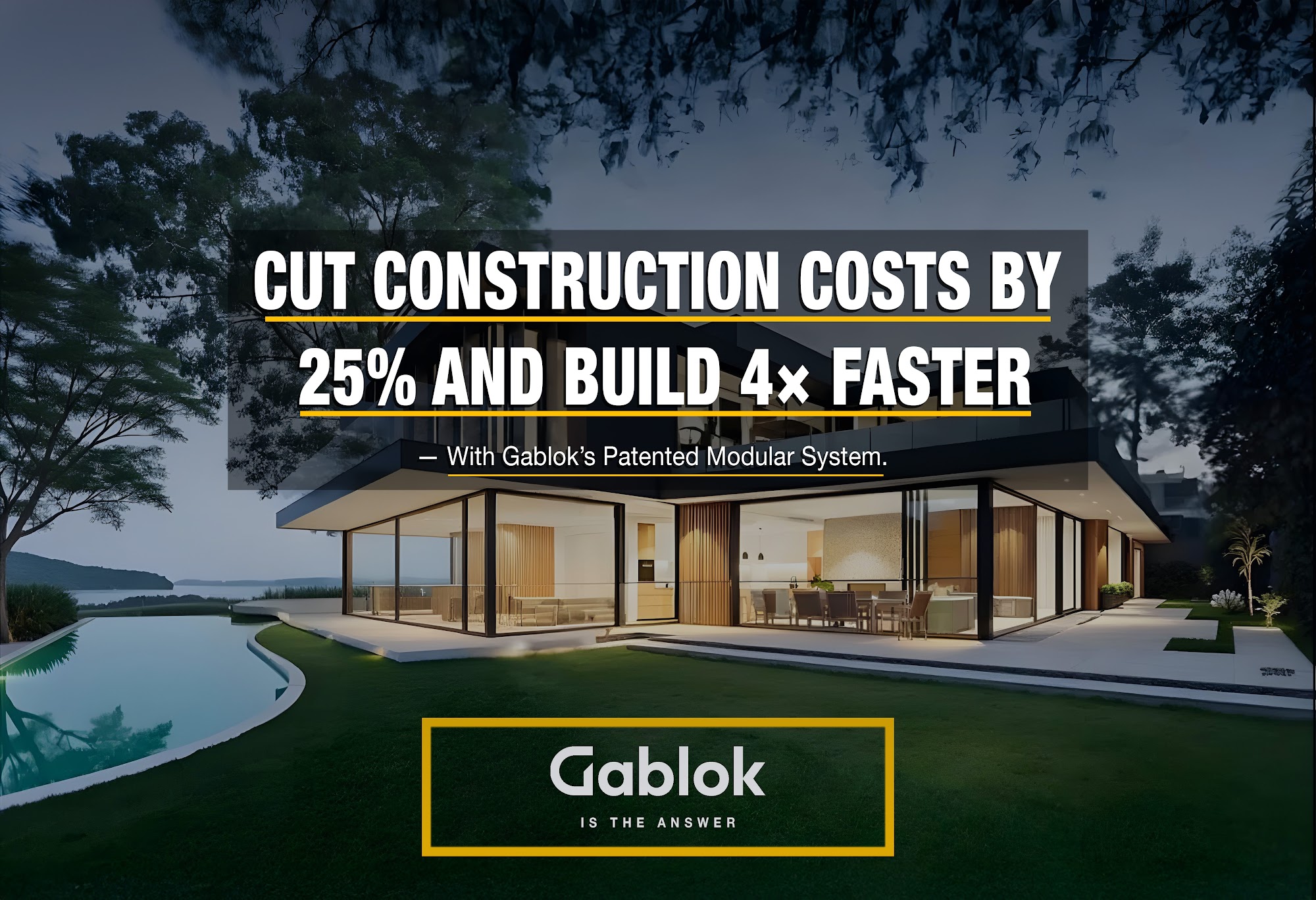
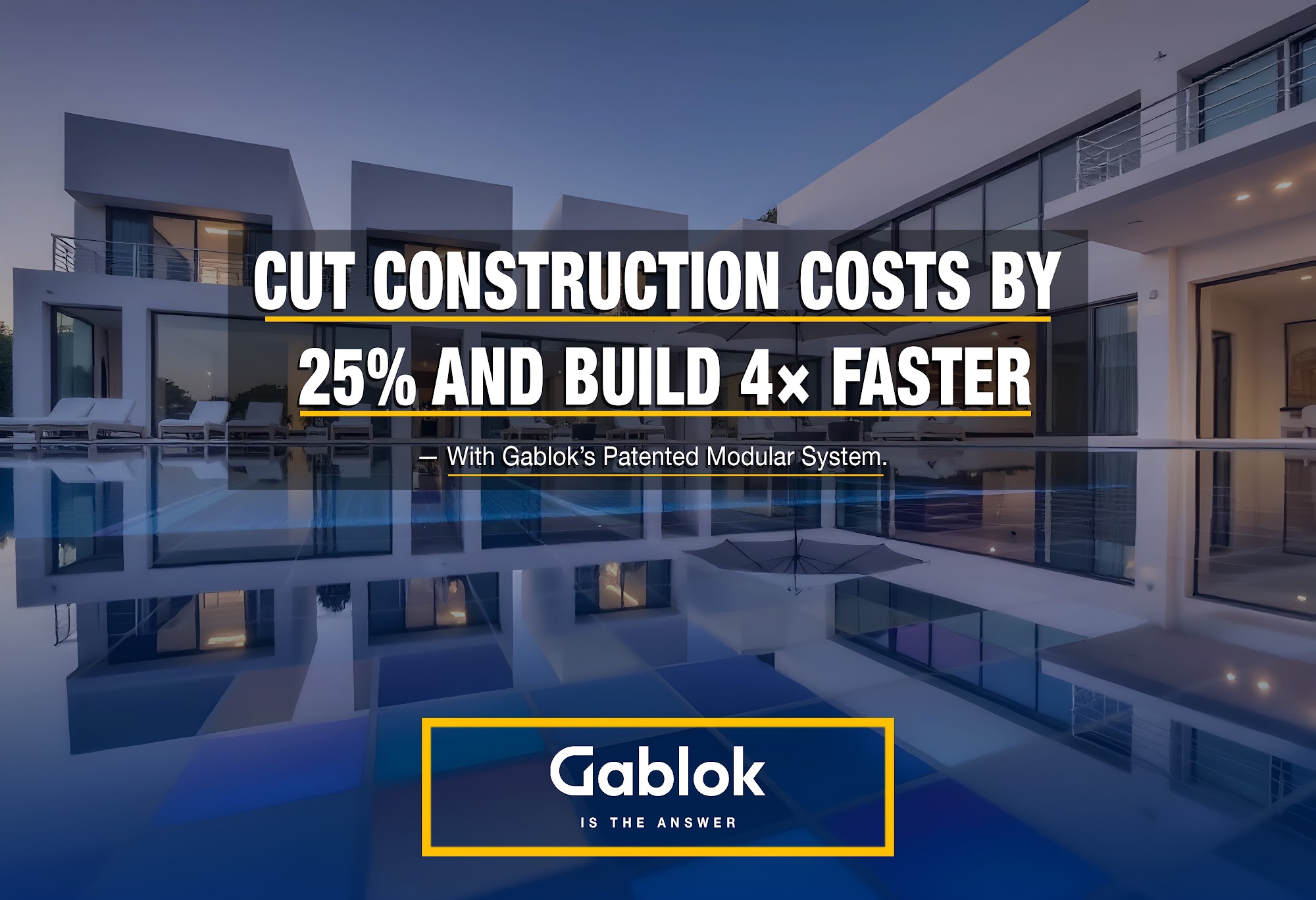
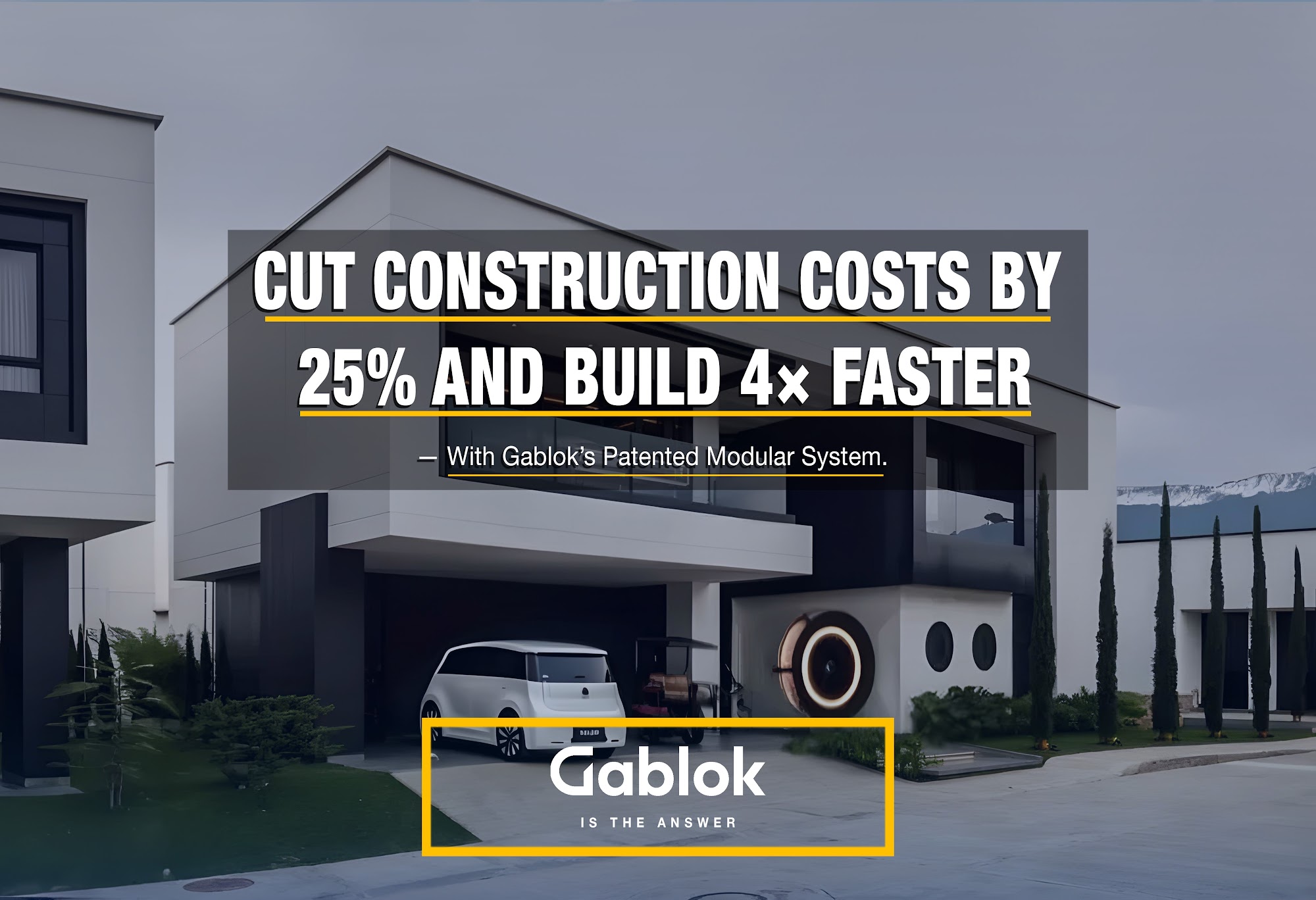
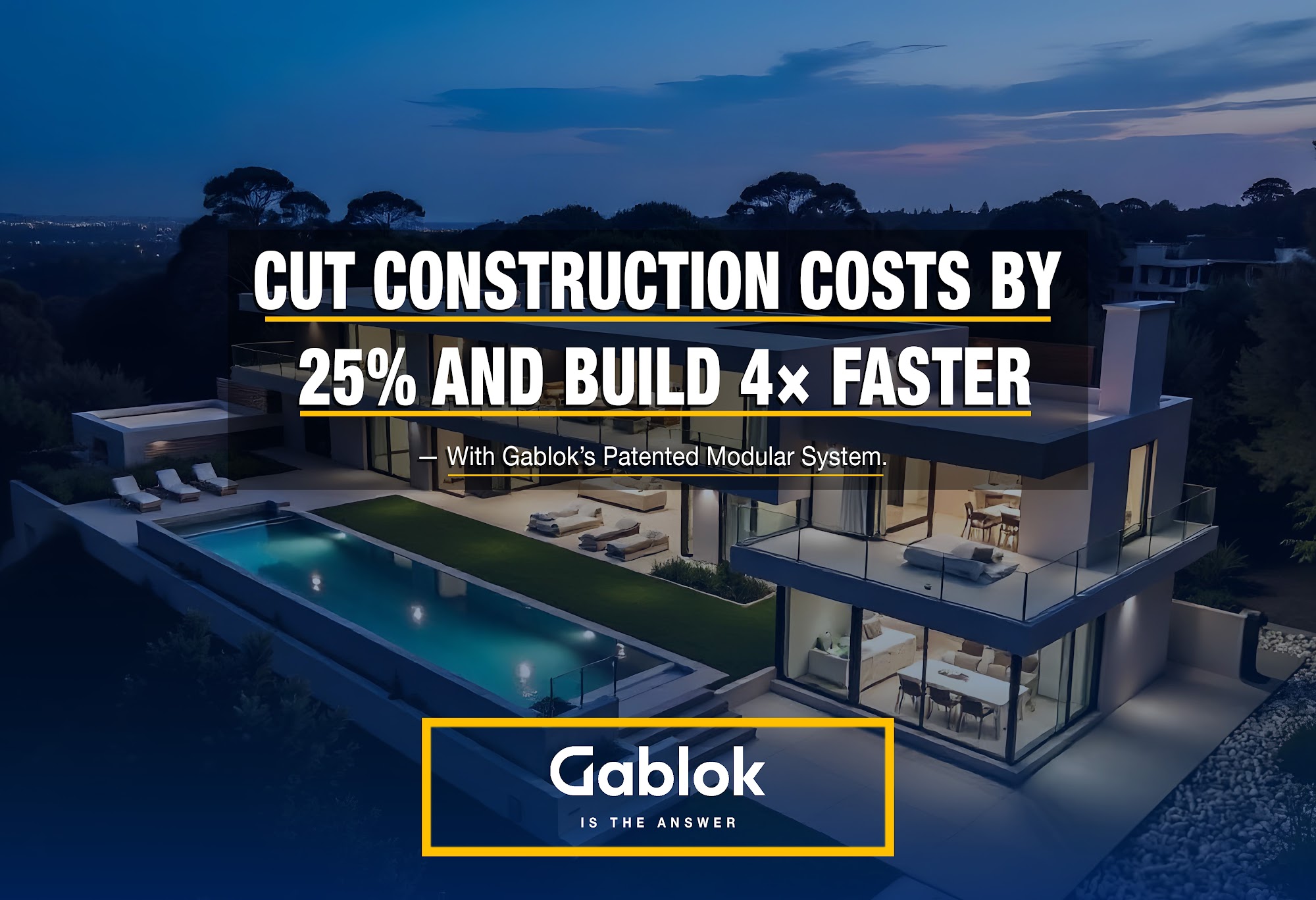
BRANDLAB structured the narrative around a clear hierarchy: the why is more accessible, predictable homebuilding; the what is a modular engineered building system; and the how is an integrated journey connecting design, procurement, technical approvals, assembly and delivery partners. Core themes include build-speed opportunity, material efficiency, a simplified assembly process, regional manufacturing potential and digital enablement. Messaging avoids presenting modelling assumptions, forecasts or target outcomes as universally proven. Statements such as up to four times faster, approximately 25% lower construction cost, up to 70% less waste and up to 40% gross margins belong to the commercial proposition and require project-specific substantiation before being represented as realised results.
04 // Identity and communications
Make advanced construction immediately understandable
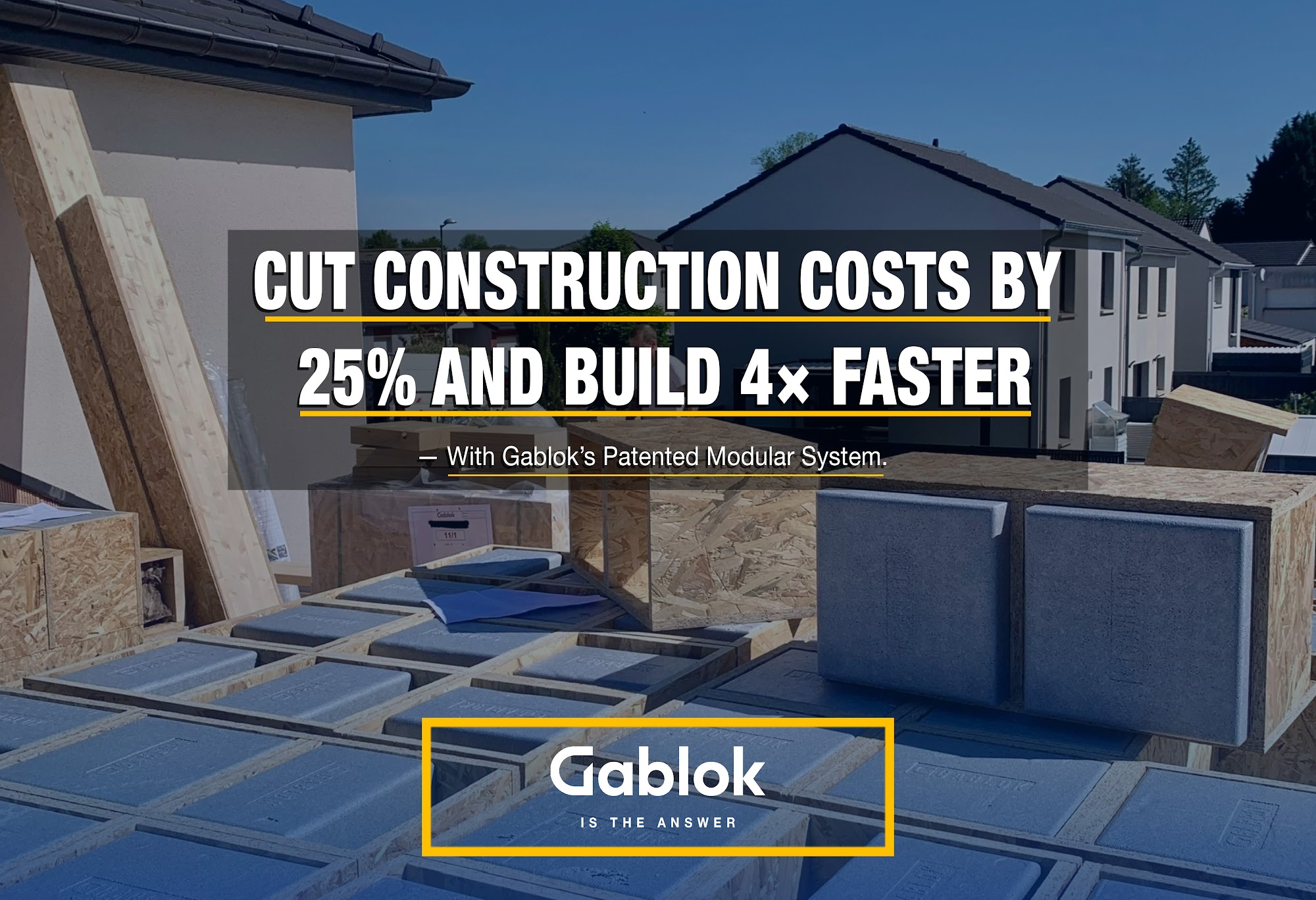
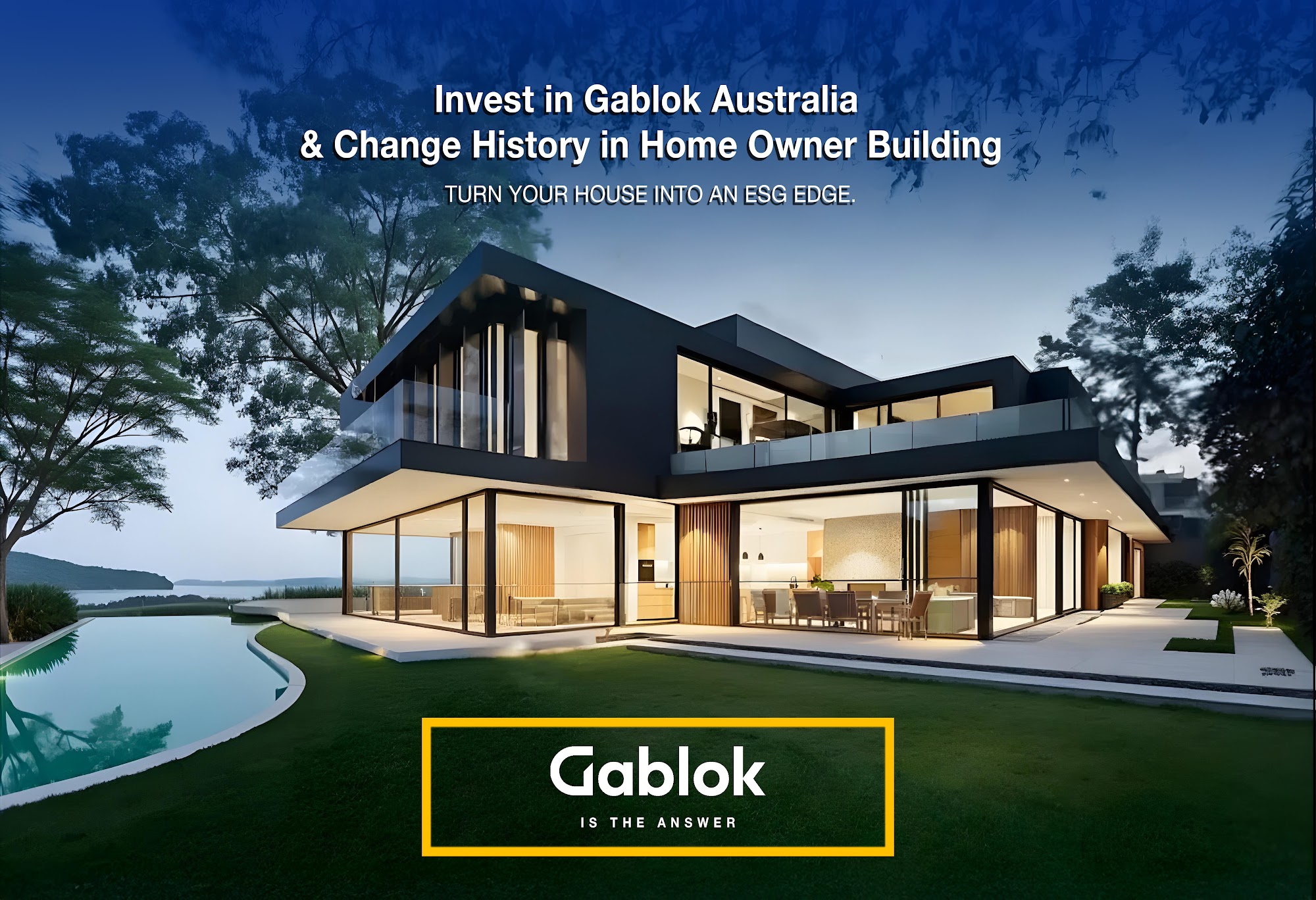
The visual strategy places the product and building process at the centre: strong modular geometry, timber texture, clearly annotated assembly imagery, contrasting construction-stage and finished-home visuals, and disciplined typography. A family building a first home needs a different tone from a professional evaluating procurement. BRANDLAB's content framework therefore uses approachable explanatory language for consumers, technical depth for specifiers, development economics for institutional partners and risk-aware evidence for investors. The system can be extended consistently across website pages, brochures, decks, landing pages, digital advertisements, lead forms, social media and event collateral.
05 // Go-to-market strategy
Four connected routes into the Australian market
The first route is direct homeowner and owner-builder education: explain site selection, concept design, approvals, indicative costs and the pathway to completion. The second route is a B2B partner programme for builders, architects, developers, construction distributors and local delivery teams. The third is a manufacturing and licensing narrative, exploring low-capital-intensity regional microfactories and controlled expansion across Australian states and eventually New Zealand. The fourth is capital formation: targeted engagement with strategic construction partners, impact-oriented investors, property groups and eligible wholesale investors using appropriate disclosure and due-diligence material. The GTM programme brings these four routes together without confusing an expression of interest with a construction order or investment commitment.
06 // Digital experience and funnel
A measurable journey from discovery to decision
BRANDLAB's digital concept treats the website as a conversion and education platform rather than a static brochure. Segment-specific entry pages introduce relevant proof and next steps. Homeowners move from product benefits to home types, indicative build journeys and consultation requests. Developers and trade partners find system applications, technical questions and partnership pathways. Investor visitors find a concise thesis, risk disclosures, investment materials where legally appropriate and qualified enquiry forms. Proposed platform modules include a guided 3D home designer, bill-of-materials workflow, approval-document management, project traceability and investor-facing ESG alignment tools. These modules are strategic product concepts and should not be labelled as deployed functionality unless verified.
07 // Content, search and acquisition
Connect market education with performance marketing
The acquisition plan combines search-led educational content, clear technical explainers, high-intent landing pages, organic thought leadership, targeted LinkedIn outreach, email nurture and segmented paid campaigns. Homeowner topics address how modular building works, realistic cost drivers, land readiness and approvals; professional topics explain wall assembly, installation sequencing, drawings and specification requirements; investment content focuses on the market challenge, competitive positioning, delivery model and identified risks. Campaign hypotheses and creative variants can be tested against meaningful lead quality rather than impressions alone. Every enquiry should be attributed to its source and progressed through a consent-based CRM pipeline.
08 // Commercialisation roadmap
Build proof before scaling promises
The proposed rollout links technical validation, local demonstration projects, supply chain readiness and channel onboarding. Priorities include documenting relevant Australian code and engineering evidence, establishing reliable component and freight economics, defining installer training and quality assurance, piloting customer projects and converting field learnings into better guidance. Proposed operational geographies have included New South Wales, Victoria and Queensland, with New Zealand considered as a subsequent market. Early planning referenced metropolitan and regional manufacturing opportunities and display-home demonstrations; these should be understood as roadmap components unless their commissioning and operational status are independently confirmed.
09 // Investor strategy
A credible investment story, not just a fundraising headline
The investor proposition combines a significant Australian housing challenge with a patented-system narrative, potential regional manufacture, licensing economics and an expanding ecosystem of services and software. BRANDLAB developed messaging directions for both environmental and commercial audiences: efficient use of materials, predictable delivery, scalable unit economics, potential recurring revenue and product defensibility. Capital raise materials have explored staged funding, equity and convertible instruments, alongside detailed cost and production modelling. Fundraising targets, valuation scenarios, projected margins and market-size estimates are planning assumptions rather than results. Public-facing portfolio content deliberately avoids publishing confidential cap tables, counterparties, sensitive financing terms or unverified investment performance.
10 // Outcomes and value
A coherent foundation for growth
The meaningful output of the work is an integrated brand and GTM framework: a differentiated story, segmented communications, an education-led website concept, coordinated creative assets, campaign pathways, a partner and investor engagement approach and a phased commercialisation narrative. The framework helps Gablok Australia speak consistently to households, specifiers, partners and capital providers while allowing each audience to investigate the evidence it needs. Specific sales uplift, manufacturing throughput, regulatory certifications, conversion rates and investment proceeds have not been independently verified for this case study and are not claimed as achieved outcomes. For BRANDLAB, the project demonstrates the strategic value of joining branding, digital experience, commercial design and market-entry planning into one connected programme.
Brand and campaign gallery
Selected Gablok Australia identity and social campaign assets from the BRANDLAB project archive.